Service
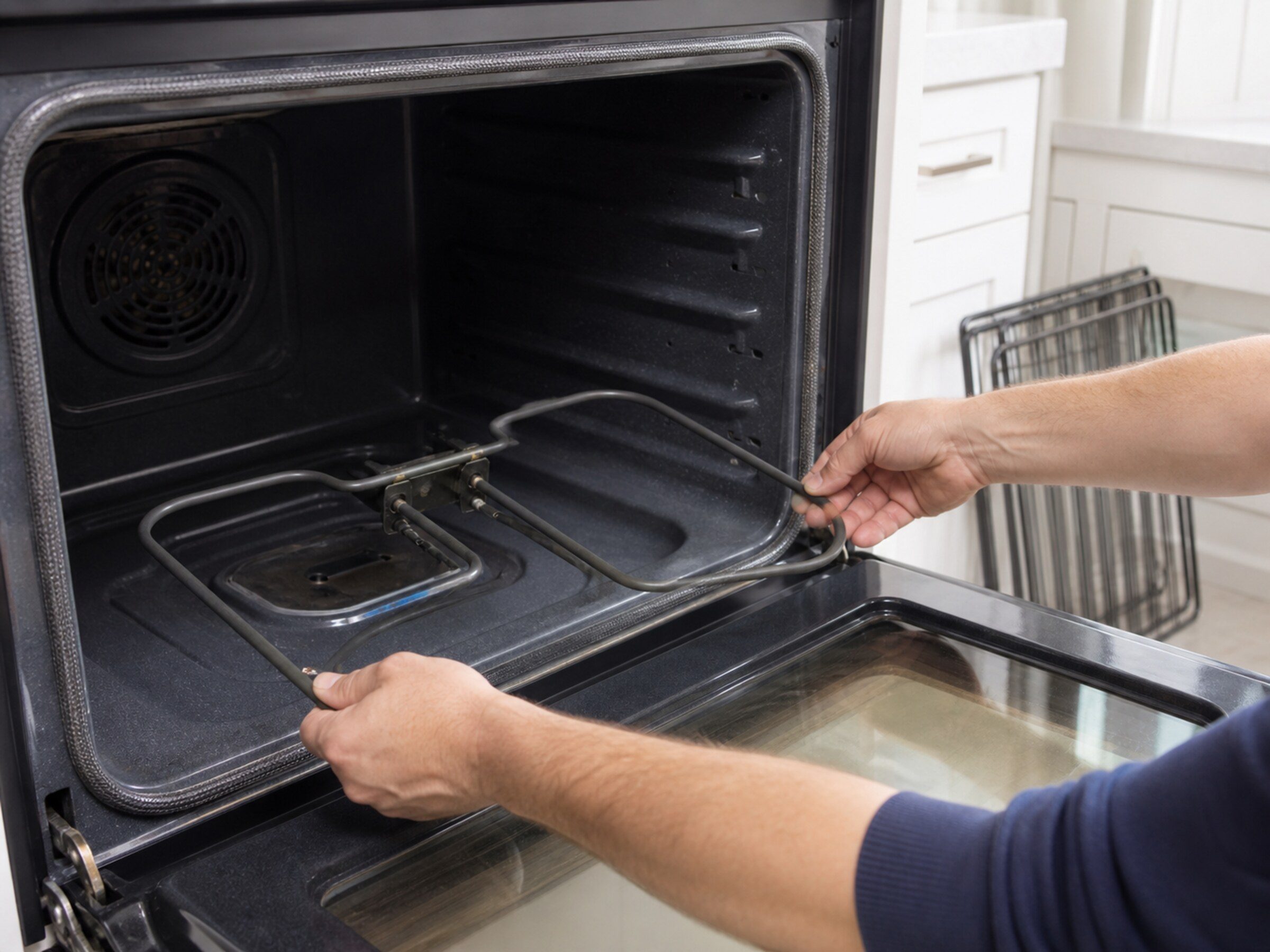
DCS range oven not heating
The oven under a commercial-style range, which is heavier, deeper and better insulated than the average, and therefore hides a developing failure for longer. Not heating at all and not heating properly are different calls: nothing at all usually points at an element, an ignitor, a safety valve or a thermal fuse; not properly points at the sensor, the door or the fan. Whether the range is dual fuel or all gas decides which list applies, and it is the detail owners most often do not know — we will work it out, but knowing it on the phone means the right part is on the van.
- From $95 diagnostic, credited to the repair
- 59 cities and neighborhoods covered
- OEM parts available on order
- In writing the price, before anything is opened
Before you read on
What this job costs and how it is agreed
A starting figure, not a quote. What moves it is the model, how the unit is built in and which part it needs — settled after the on-site diagnostic.
Starts at
from $185
After a diagnostic from $95, which comes off the bill when you go ahead.
or call (305) 526-4714
Diagnostic
From $95, credited to the repair
The price
In writing, before anything is opened
Warranty
On the labor we performed
On the visit
How this visit actually goes
The same order every time, so nothing is opened and nothing is charged before you have seen the figure and said yes.
-
01
Establish the fuel and read any code in full
The letter alone is not enough; the digits separate a board error from a software one from a communication error. On an all-gas oven the ignitor's behaviour on the way up tells us most of what we need.
-
02
Test the heat source under load
Element resistance or ignitor current, then the safety valve's response to it. A gas oven ignitor that is weak will glow convincingly and never open the valve — the commonest failure on this type and invisible without a meter.
-
03
Confirm the cavity holds what it makes
Door seal, hinge tension and the sensor's accuracy. A heavy door that no longer pulls square loses heat from one corner and reads exactly like a failing element.
Applies to
The DCS units we carry this work out on
-
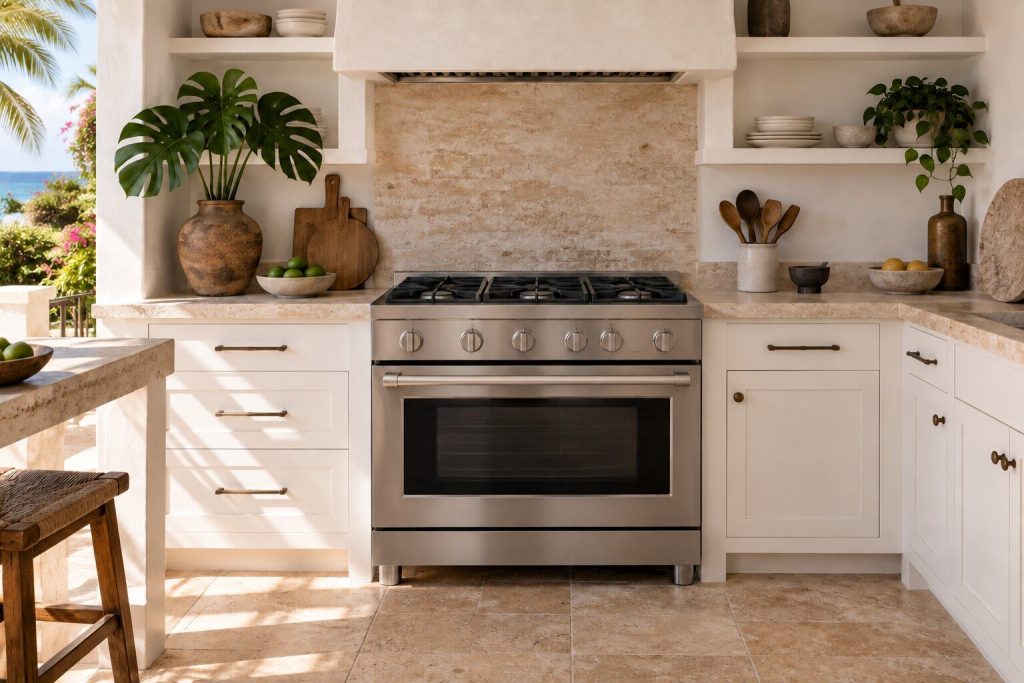
Commercial-style, dual fuel and all gas DCS range repair in Miami
Indoors the badge means a commercial-looking range: heavy grates, high-output sealed burners, a single deep oven or a pair, and often a griddle or a grill section in place of two burners. It is built to be cooked on hard, and the calls reflect that — ignition on one burner, an oven that will not hold the temperature it is set to, a door that has stopped sealing, a fan that has become loud. Dual fuel and all-gas versions fail in different places, so the first thing we establish is which one is in the kitchen. Unlike the outdoor half of this brand, a range can tell us what is wrong: the indoor line publishes decoded error tables, and an F-code with its sub-error narrows the visit before we arrive.
- Dual fuel and all gas — the same cabinet, two different service stories
- A griddle or grill section instead of burners changes what the top is asked to do
- This half of the brand does publish codes, and they are decoded rather than numbered
In more detail
About DCS range oven not heating
The ignitor that glows convincingly and opens nothing
On a gas oven the commonest failure is also the least visible. An ignitor does not usually die — it weakens, glowing a perfectly convincing orange while drawing too little current to open the safety valve, and no amount of looking at it reveals that. It takes a meter. So the chain is tested rather than inspected: ignitor draws current, current opens the valve, valve admits gas, gas meets the glow. Break it anywhere and the symptom is identical. On the electric half of a dual fuel range the list is different — element, sensor, thermal fuse, board — and which of the two is in the kitchen decides everything.
This article is based on:
- Official manufacturer documentation
- Internal repair procedures
- Technician repair history
- Company quality standards
Before you book
Questions about DCS range oven not heating
How do I know whether ours is dual fuel or all gas?
The top is gas on both, so the difference is underneath. A dual fuel oven has elements and a convection fan; an all-gas one has a burner and an ignitor you can usually see glow through the floor of the cavity. If you are unsure, we will work it out — it simply means the right part travels out the second time rather than the first.
It heats, just slowly and never quite to temperature.
That is a different page and usually a different part. Slow and short points at the door, the seal or a drifted sensor rather than at the heat source, and it is worth checking the seal before anybody buys an element.
Where we do it
Across Miami-Dade, Broward, and Palm Beach
Same terms everywhere we go: an on-site diagnostic first, the price agreed in writing, and the exact figure confirmed once we have seen the unit.
Neighborhoods people ask for by name