Service
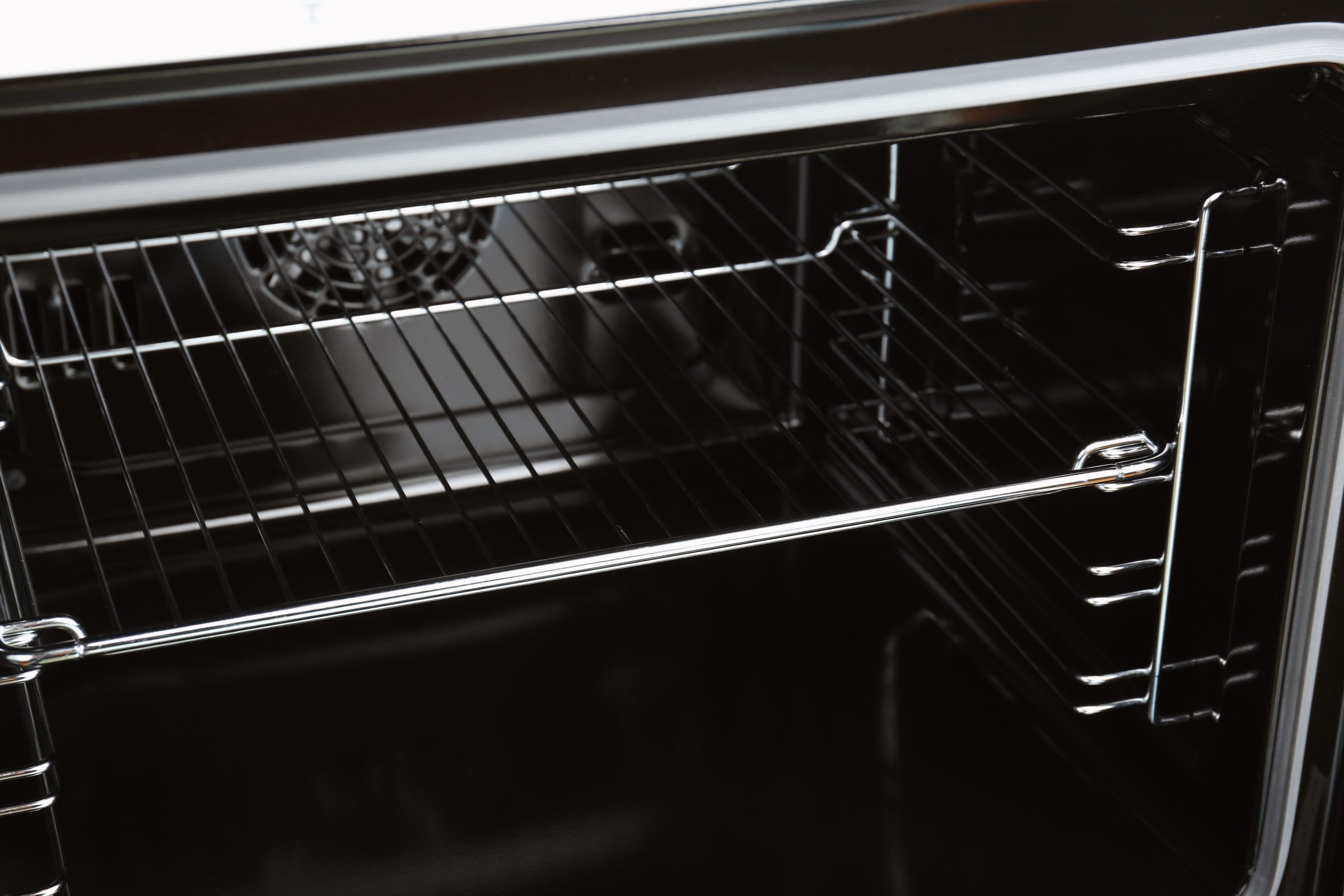
DCS convection fan repair
The sound arrives long before the symptom. A convection fan that has grown loud is generally a bearing going, or a blade catching its housing, and the window between noise and damage is the cheap part of this repair — an unbalanced wheel machines away the housing it spins in, and housings cost several times what motors do. The performance half of this is subtler: a fan that has stopped moving air properly turns a convection oven into an ordinary one, and the owner usually adapts to it over months without ever describing it as a problem. If your convection results changed and nothing else did, this is the page.
- From $95 diagnostic, credited to the repair
- 59 cities and neighborhoods covered
- OEM parts available on order
- In writing the price, before anything is opened
Before you read on
What this job costs and how it is agreed
A starting figure, not a quote. What moves it is the model, how the unit is built in and which part it needs — settled after the on-site diagnostic.
Starts at
from $165
After a diagnostic from $95, which comes off the bill when you go ahead.
or call (305) 526-4714
Diagnostic
From $95, credited to the repair
The price
In writing, before anything is opened
Warranty
On the labor we performed
On the visit
How this visit actually goes
The same order every time, so nothing is opened and nothing is charged before you have seen the figure and said yes.
-
01
Listen and look before dismantling
Where in the cycle the noise appears, and whether it changes with temperature, separates a bearing from a blade from something loose in the cavity.
-
02
Open the housing and check the whole assembly
Motor, shaft, blade and the mounting. Blades that have contacted the housing are usually a mount rather than a blade, and replacing the blade alone brings the problem straight back.
-
03
Refit, balance and run a real cycle
Not spun by hand and declared well. Run hot, because a bearing that is quiet cold is not a bearing that is sound.
Applies to
The DCS units we carry this work out on
-
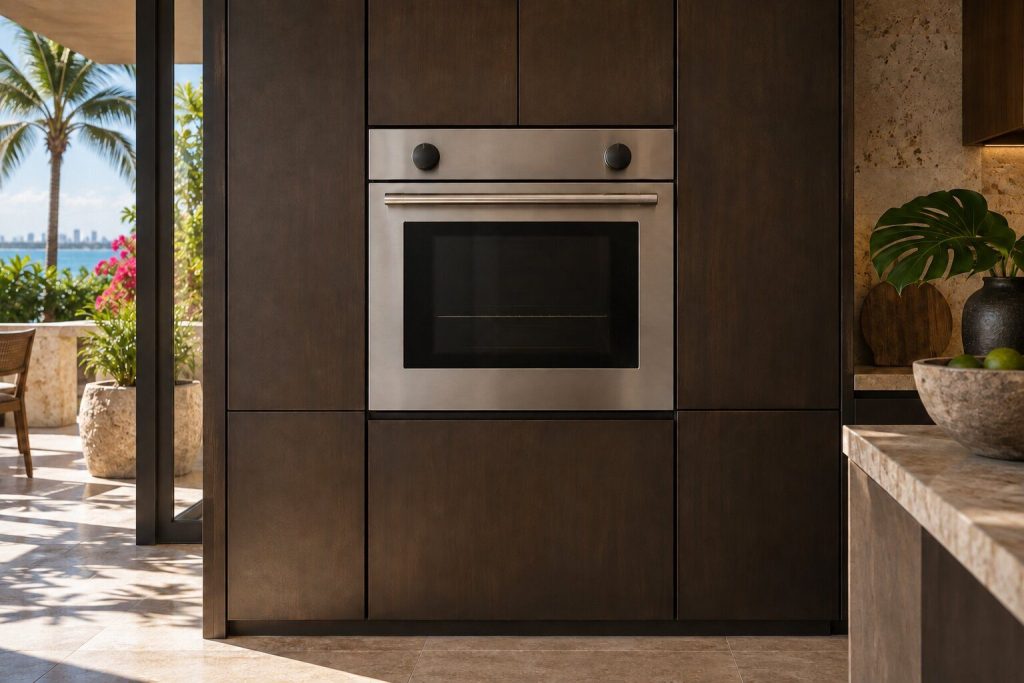
Single and double, built into a tall run DCS wall oven repair in Miami
A wall oven is a cavity in a cabinet, and everything about the repair follows from that. It is heavy, it is screwed to the joinery, it sits above waist height, and behind it is a space somebody sized once and nobody has looked at since. The problems are the ordinary ones — heat that is not what the dial says, a door that has lost its seal or its hinge tension, a fan that has become loud, a control that has stopped responding — but the access is not ordinary, which is why we ask about the cabinet before the symptom. This make's wall ovens publish a decoded error table, and the sub-error after the F is where the real information is.
- Built in above waist height — the cabinet decides the visit before the problem does
- The published table decodes F1 into separate board, software and communication errors
- A double oven is two cavities and frequently one control — which one is wrong matters
-

Commercial-style, dual fuel and all gas DCS range repair in Miami
Indoors the badge means a commercial-looking range: heavy grates, high-output sealed burners, a single deep oven or a pair, and often a griddle or a grill section in place of two burners. It is built to be cooked on hard, and the calls reflect that — ignition on one burner, an oven that will not hold the temperature it is set to, a door that has stopped sealing, a fan that has become loud. Dual fuel and all-gas versions fail in different places, so the first thing we establish is which one is in the kitchen. Unlike the outdoor half of this brand, a range can tell us what is wrong: the indoor line publishes decoded error tables, and an F-code with its sub-error narrows the visit before we arrive.
- Dual fuel and all gas — the same cabinet, two different service stories
- A griddle or grill section instead of burners changes what the top is asked to do
- This half of the brand does publish codes, and they are decoded rather than numbered
In more detail
About DCS convection fan repair
The noise arrives months before the damage
A convection fan tells you it is failing long before it fails, and the window between those two is the cheap part of this repair. Gradual noise is usually a bearing or a wheel loaded unevenly with grease; sudden noise is something loose, something in the impeller, or a mount that has let go. Left running, an unbalanced wheel machines away the housing it spins in, and a housing costs several times what a motor does. The quieter version of this failure is worse in its way: a fan that has stopped moving air properly turns a convection oven into an ordinary one, and owners adapt to it over months without describing it as a problem at all.
This article is based on:
- Official manufacturer documentation
- Internal repair procedures
- Technician repair history
- Company quality standards
Before you book
Questions about DCS convection fan repair
Our convection results changed but nothing sounds wrong.
That is the version worth catching. A fan that is turning slowly, or a blade that has been rubbing and worn down, moves a fraction of the air it should while sounding normal. It is measured rather than listened to.
Can the blade be replaced on its own?
Sometimes, but a blade that has contacted its housing usually did so because a mount moved, and fitting a new blade into the same mount brings the problem straight back. We look at the whole assembly.
Where we do it
Across Miami-Dade, Broward, and Palm Beach
Same terms everywhere we go: an on-site diagnostic first, the price agreed in writing, and the exact figure confirmed once we have seen the unit.
Neighborhoods people ask for by name