Maintenance & Prevention
What a Self-Clean Cycle Does to a DCS Oven, and What to Check After
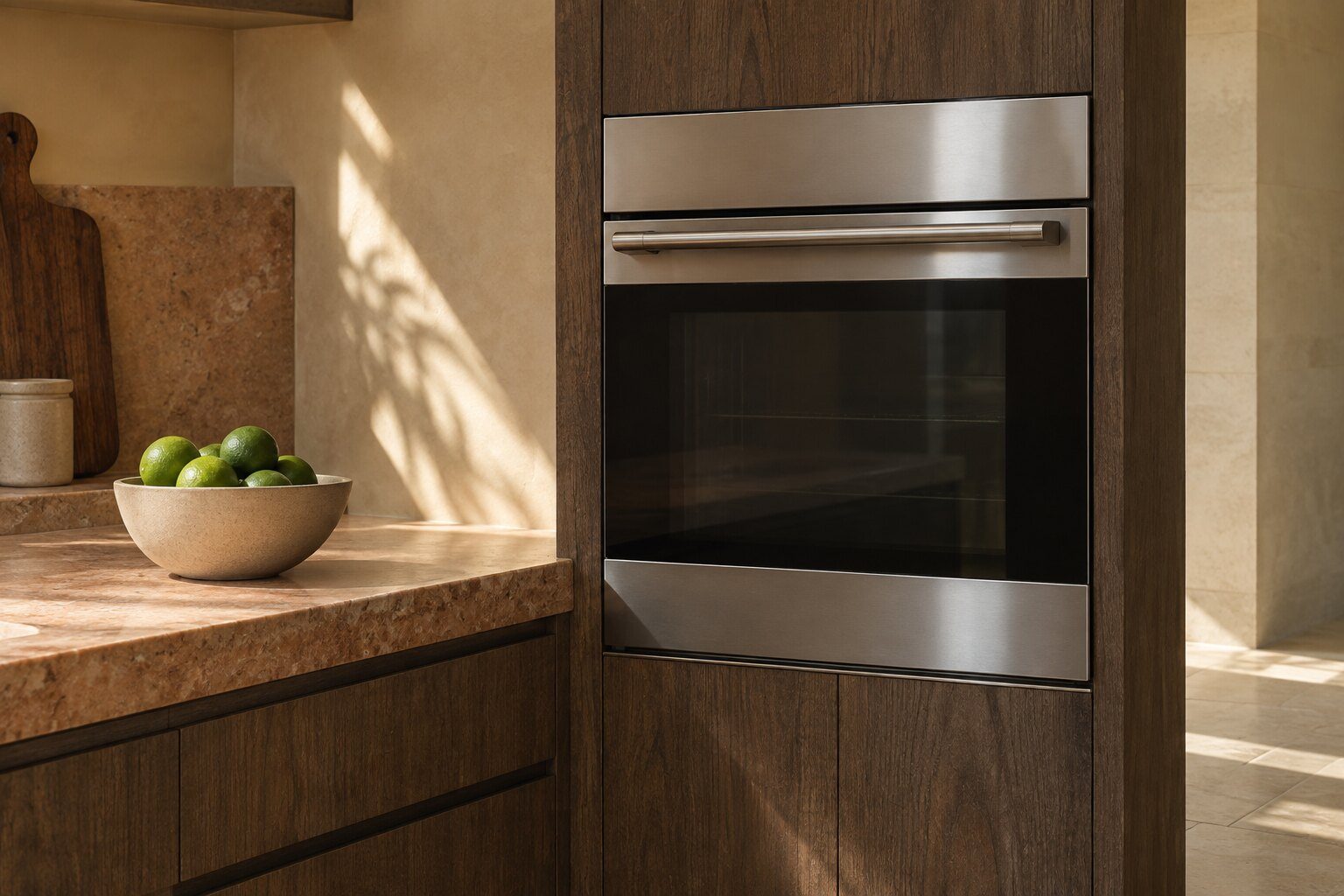
A self-clean cycle takes the cavity far hotter than any cooking does, holds it there for hours, and then cools slowly — which makes it the annual stress test of everything in the oven that seals, senses or hinges. That is not an argument against using it. It is an argument for knowing what it tests and looking afterwards. Before: take out every rack that is not rated for the cycle, wipe up loose spillage so it burns rather than smokes, open a window and take birds out of the room, since the fumes from burning residue are real. During: the door locks and stays locked until the cavity has cooled, which can be well over an hour past the end of the timer. After, check three things. The door seal, which is the commonest casualty — hardened, shrunk, or pulled away at a corner. The hinges, which lose tension under heat and then let the door sit proud. And the oven's accuracy, because a temperature sensor that was drifting quietly is frequently finished by the cycle. A thermal fuse opening and stopping the oven altogether is the fourth possibility, and it is cheap.
The full guide
The cycle is not dangerous and it is not abuse. It is a test, run once a year, on every part of the oven that seals or senses — and the results come in the week after rather than during.
DCS oven self cleaning instructions: before you start it
Racks out unless the manual says otherwise. Most chrome racks discolor permanently at self-clean temperatures, and it is not reversible.
Wipe up the loose spillage. What is left burns to ash, which is the point. What is pooled smokes heavily, which is not.
Open a window, and move birds out of the room. The fumes from burning food residue at those temperatures are genuinely irritating, and birds are considerably more sensitive to them than people are.
While it runs
The door locks, and it unlocks on temperature rather than on the timer. Those are two different moments, sometimes more than an hour apart on a heavy cavity in a warm kitchen.
A locked door after a cycle is not a defect. It is the oven declining to be opened into while it is still hot enough to hurt somebody.
The three things to check afterwards
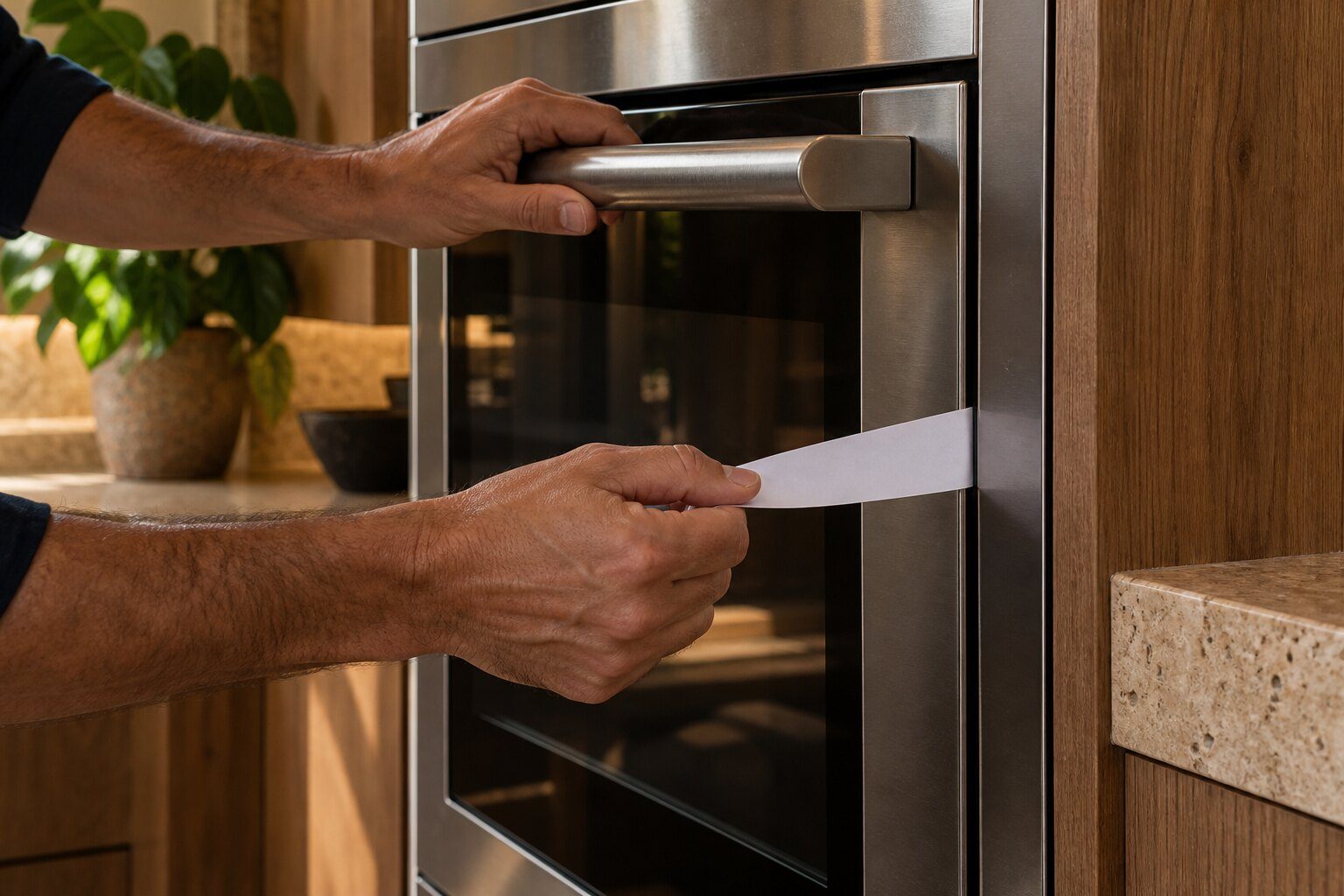
The seal. The most common casualty by a distance. Heat hardens it, shrinks it, and sometimes pulls it away at a corner. It will often look perfect and have stopped compressing, so test it rather than inspect it: close the door on a note of paper at several points and pull. Where it slides out freely, the seal is no longer gripping.
The hinges. They carry a heavy door against spring tension, and heat takes some of that tension away. A door that now sits slightly proud, or thuds on the last inch of closing, is telling you. Left alone it will destroy the new seal the same way it finished the old one.
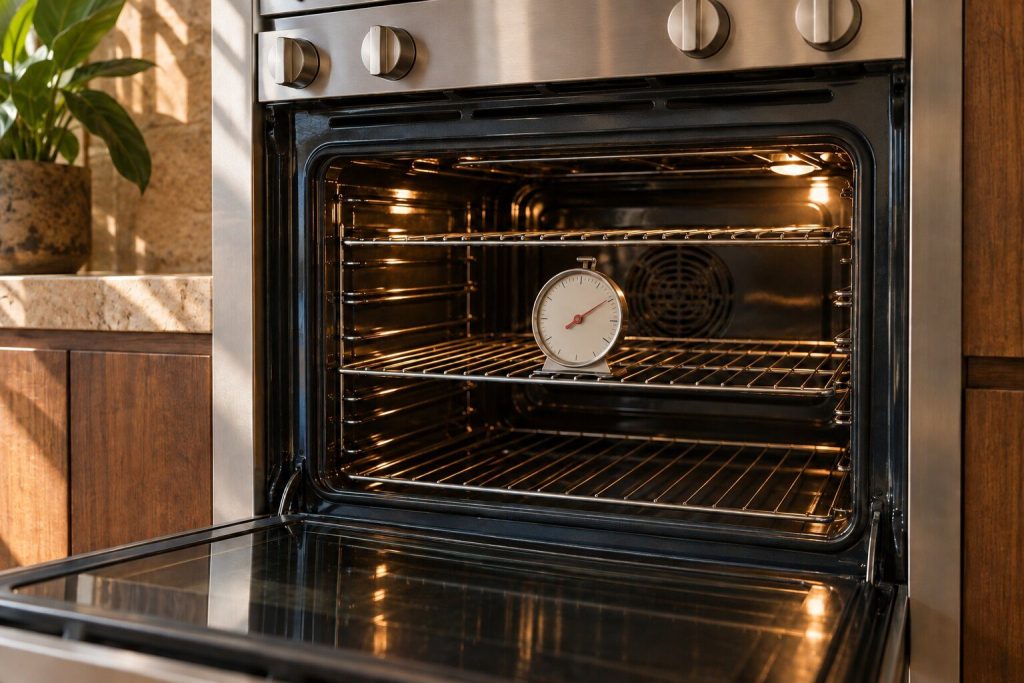
The accuracy. A temperature sensor that had drifted a few degrees before the cycle is frequently finished by it. Put a thermometer on the middle rack, set 350, and read it after a full thirty minutes — not fifteen, because the cavity is still climbing.
And the fourth, if nothing works at all
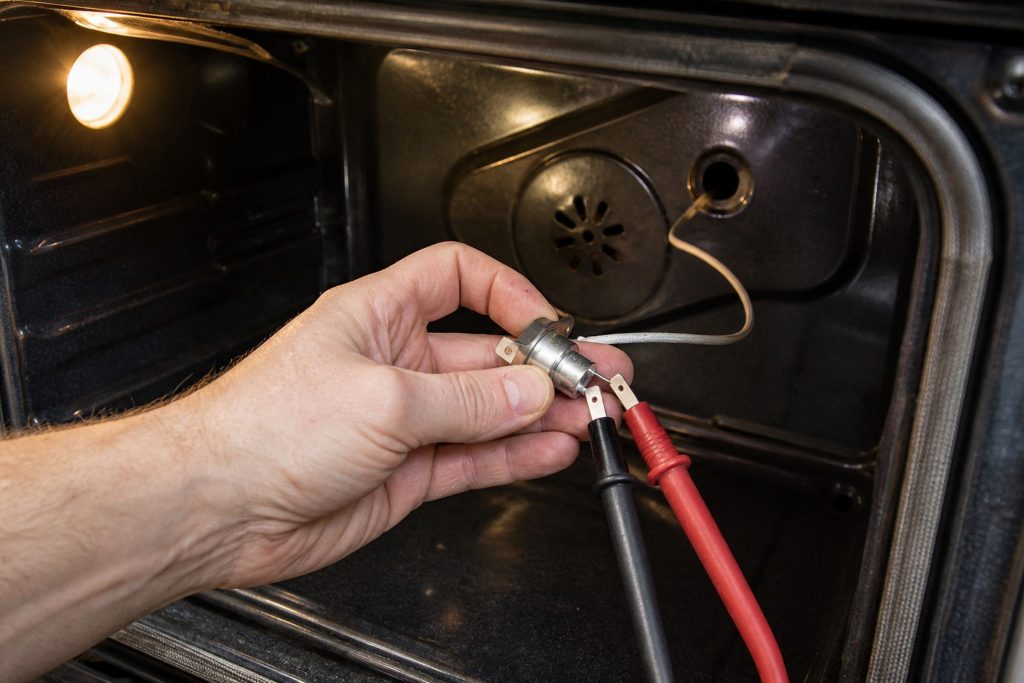
A thermal fuse. It is a protective component that opens permanently if things get hotter than they should, and when it does the oven stops entirely — no heat, sometimes no display.
It is an inexpensive part and a common finding after a self-clean. It is worth checking before anybody starts talking about boards, because the symptom is dramatic and the cause is not.
Why an annual cycle is easier on the oven than a rare one
Six years of build-up burned off in one go produces far more smoke, far more heat in the surrounding cabinet, and far more stress on everything nearby than a modest annual clean does.
The oven is not being kind to itself either way. But a cavity cleaned once a year is being asked to do something routine, and one cleaned once a decade is being asked to do something extraordinary.
If it turns out to be a repair
What this leads to, and what it costs
Every job on this site is priced the same way: an on-site diagnostic first, the figure agreed in writing before anybody starts.
-
from $145 Wall oven door seal replacement
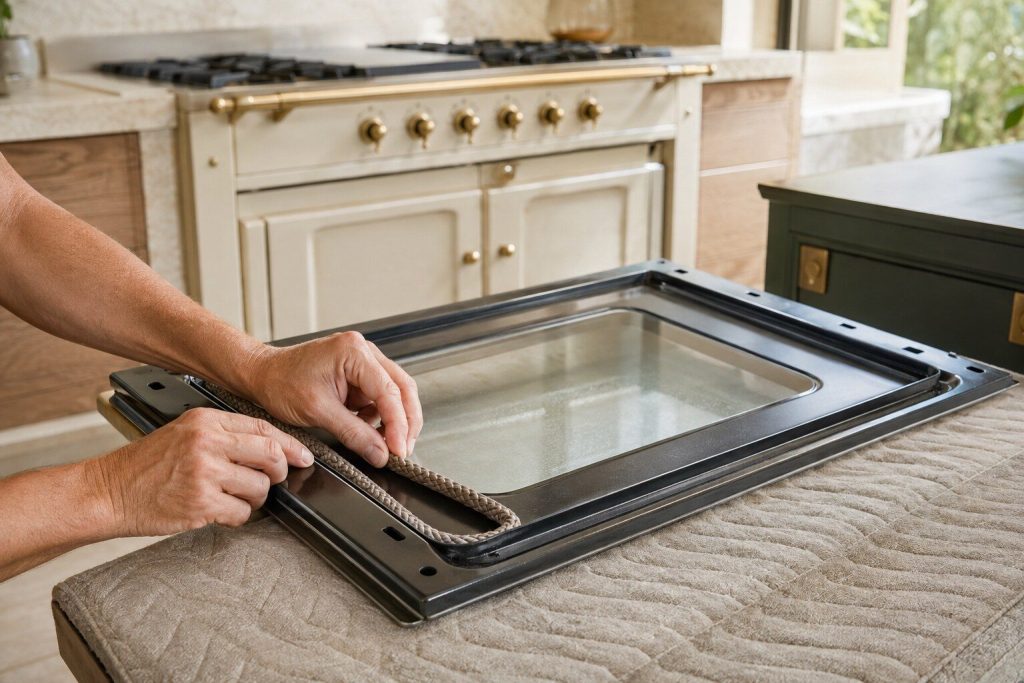
A seal that has hardened, shrunk or come away at a corner costs more than heat — it changes how the whole cavity behaves and it hides behind other symptoms. Owners describe uneven baking, a long preheat, a cool corner, or a kitchen that gets warm when the oven is on, and any of those can be a seal. It is also the classic casualty of the self-clean cycle: the hottest hours the seal will ever see, taken once a year, and it is the year after one of them that it fails. We check the hinges at the same time, because a door that no longer pulls square will destroy a new seal as quickly as it did the last one.
- Long preheats and a warm kitchen are seal symptoms people rarely connect
- Self-clean is the cycle that finishes a tired seal
- Fitted without checking the hinges, a new seal fails the same way
-
from $135 Oven temperature calibration
For the oven that works but lies. A cavity that runs twenty degrees hot bakes acceptably until it does not, and on a heavy range the mass hides the drift until something that used to be reliable comes out wrong. Calibration is measurement first: we log what the cavity actually does across a cycle at temperature rather than taking one reading at the peak, because the shape of the curve separates a drifted sensor from a door problem from a control that is cycling badly. Then we correct it, and re-measure rather than trusting the adjustment.
- Measured across a cycle, not once at the top
- The shape of the curve separates sensor drift from a leaking door
- Re-measured after adjustment, because an adjustment is not a result
-
Runs hot, runs cold, or drifts during a bake Oven will not hold its temperature
DCS oven not holding temperature. Running hot, running cold and failing to hold are one conversation, and it starts at the sensor rather than the element. Once a probe wanders, the control obeys it precisely and takes the cavity somewhere other than the dial says; on this much metal the error stays hidden until a cake disagrees. Doors deserve more suspicion than they get — a heavy one that has stopped pulling true bleeds heat from a corner, and that presents as a heating element on its way out.
- Probe before element: the sequence is most of the answer
- One cold corner indicts the door, never the element
- If the oven shows a code, the digits after the letter are the message
Questions people ask about this
Should we use self-clean at all?
Yes, and once or twice a year rather than never or monthly. The cycle is designed into the oven and using it is not abuse. What causes trouble is running it for the first time in six years on a cavity with heavy build-up, which produces far more smoke and far more stress than an annual cycle on a reasonably clean oven.
The oven stopped working right after a self-clean.
Check the thermal fuse before anything larger. It is a protective component that opens if the cavity or the surrounding space gets hotter than it should, it is inexpensive, and it stops the oven completely while everything else is perfectly sound. It is a common and cheap finding after this cycle.
Everything bakes unevenly since we cleaned it.
Look at the door before the elements. A seal that has hardened or a hinge that has lost tension lets heat out of one part of the cavity, and that presents as uneven baking on one side. Close the door on a note of paper at several points and see where it grips.
Maintenance & Prevention
More guides like this one
-
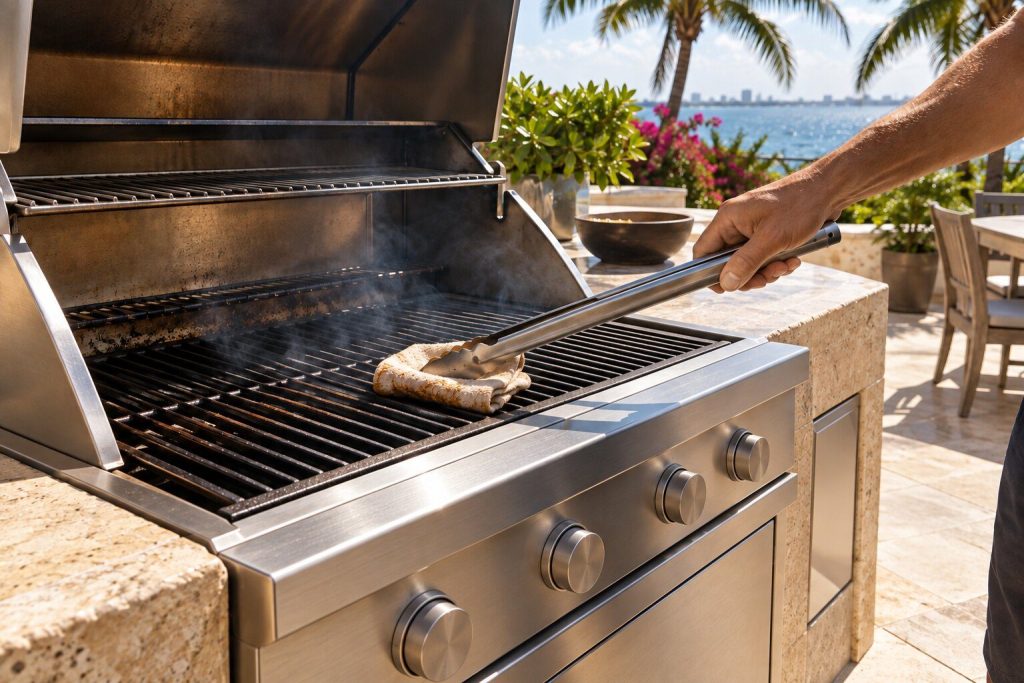
Seasoning DCS Grill Grates, and the Months Nobody Cooks
Seasoning is corrosion protection as much as cooking practice, and four blocks from salt water that changes the arithmetic. A grate scrubbed back to bare metal has nothing left defending it.
Read more -
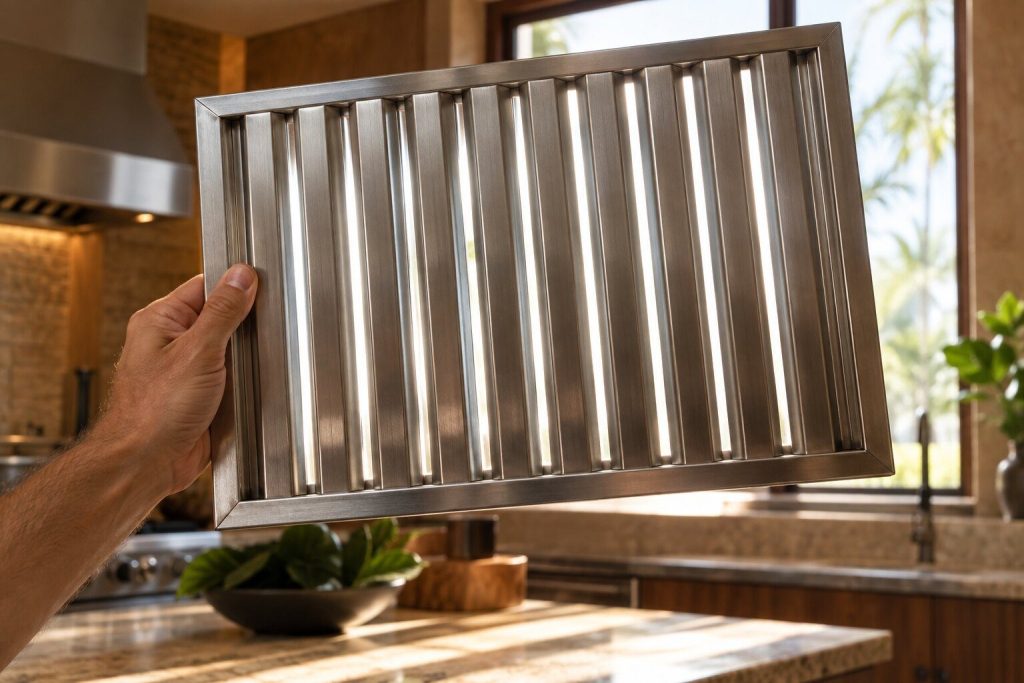
How Often Range Hood Filters Actually Need Washing
More often than almost anybody does them. Over high-output burners or a griddle a saturated baffle is two things at once: most of your airflow gone, and fuel sitting over open flame.
Read more -
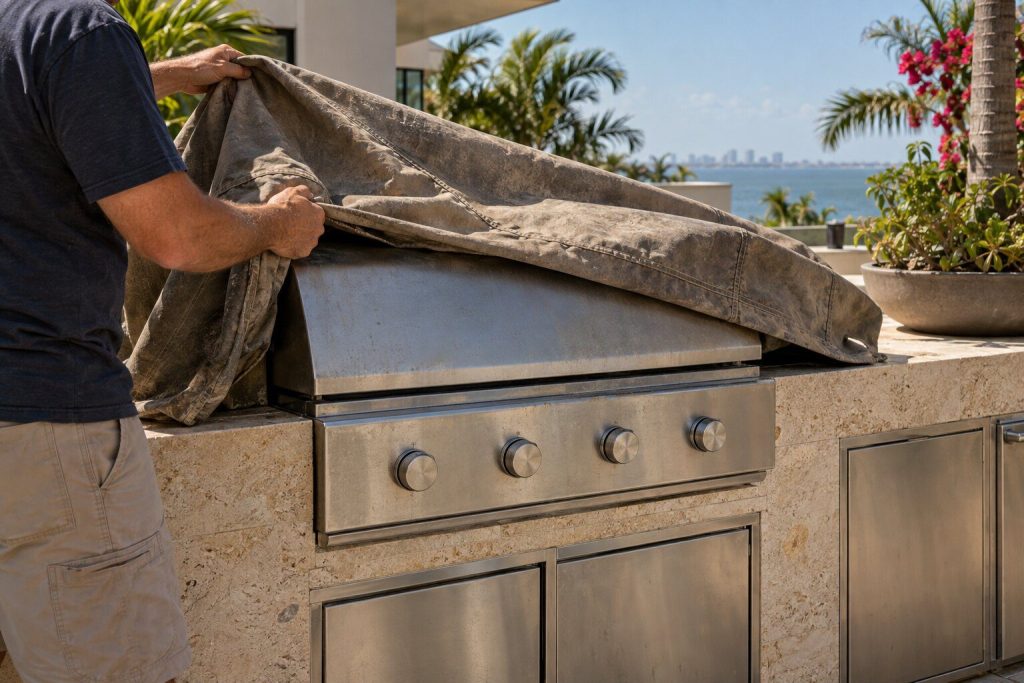
Do DCS Grill Covers Help in South Florida? Sometimes the Opposite
A cover keeps rain and salt spray off, which is worth having. It also makes a still, dark, humid box — and a cover pulled over a warm or wet grill traps exactly what corrodes it.
Read more
Tell us the model number and what it is doing.
This article is based on:
- Official manufacturer documentation
- Internal repair procedures
- Technician repair history
- Company quality standards