Troubleshooting
Resetting a DCS Oven Control, and What a Reset Actually Proves
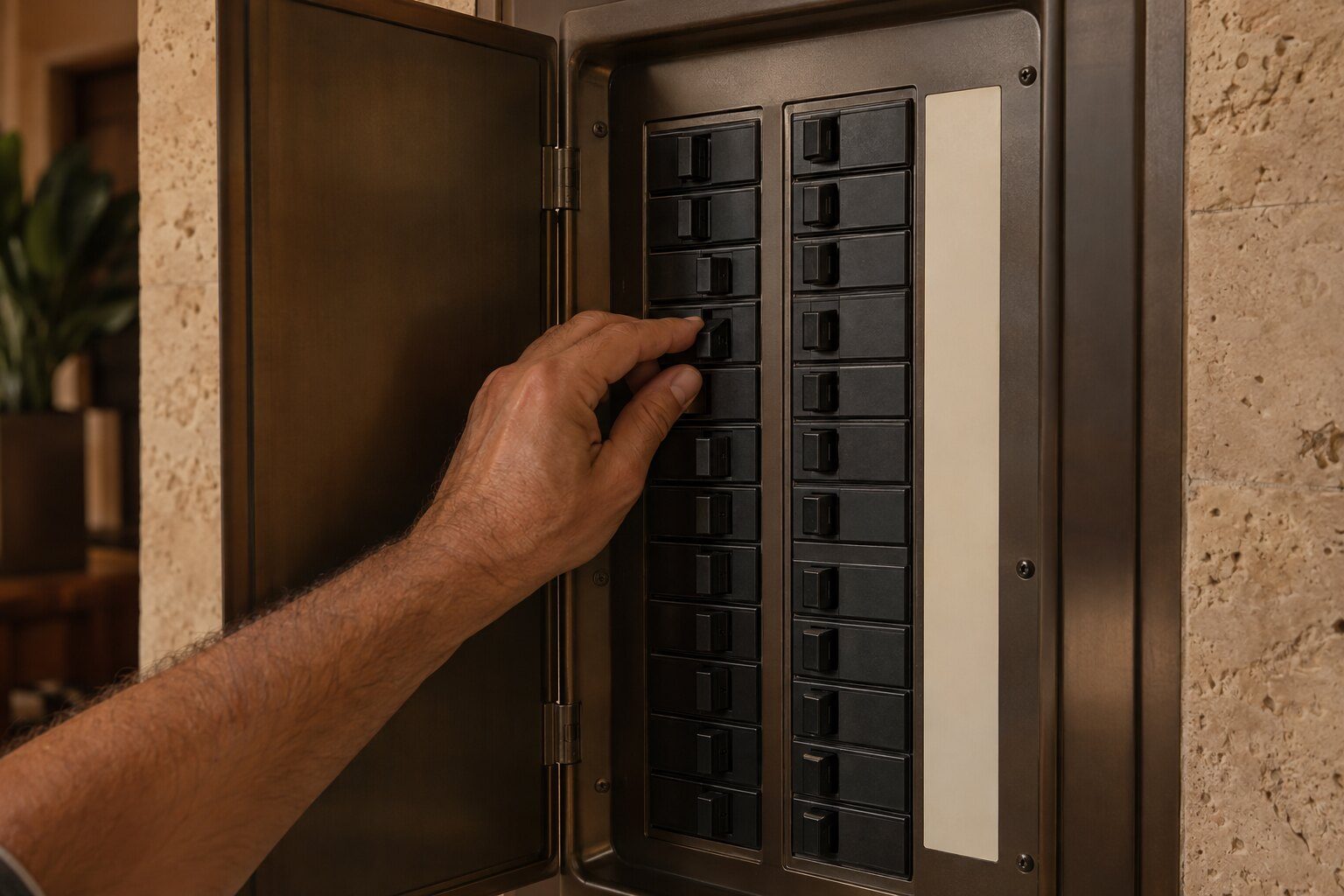
To reset a DCS oven control, cut the power at the breaker — not at the oven's own switch, which leaves the control energized and resets nothing — and leave it off for a full minute before restoring it. That minute matters: the control has capacitors that hold charge, and a five-second interruption often leaves it in exactly the state you were trying to clear. Then run an ordinary bake cycle and watch. What happens next is the actual information. A control that has been confused by a storm, a brownout or a cut mid-cycle comes back normal and stays normal, and nothing further is needed. One that shows the same code again has told you, for nothing, that this is a component rather than a glitch — which is worth a great deal before anybody is called, because it changes what we bring. A reset that has to be repeated weekly is not a fix; it is a problem being hidden, and each repetition makes the pattern harder to diagnose rather than easier.
The full guide
Almost everybody resets an oven wrong, and the wrong way looks identical to the right one until you notice nothing changed.
How to reset oven control board: at the breaker, for a full minute
The oven's own power switch, or the control panel's off, does not de-energize the board. It tells the board to stop doing things. A control that has got itself into a state it cannot leave is perfectly capable of remaining in that state while politely displaying nothing.
The breaker is what actually removes power. And a minute is not superstition: there is stored charge in the supply section that takes time to drain, and a control that has not fully powered down has not reset.
Off. A minute. On. Then run a real bake cycle rather than pressing buttons and declaring it fixed.
What the result tells you
This is the part people miss. The reset is not the repair — it is the test, and both outcomes are worth having.
It stays away. In a market with a storm most summer afternoons, a control that was interrupted mid-cycle is not a broken control. It got confused, you cleared it, and there is nothing to fix. A great many of these calls end here and we are glad when they do.
It comes back. Now you know, for the price of five minutes, that a component is involved. That is not bad news — it is the difference between a diagnostic visit that starts from nothing and one that starts from a fact.
Where repeated resetting stops helping
A reset that has to be done weekly is not maintenance. It is a problem being cleared before it can be observed, and every clear makes the pattern harder to read.
Worse, on one of the published sub-errors — the one that fires when the control cannot see the board that switches the heat — continuing to run the oven is not something we would recommend. That code is the control saying it has lost contact with the part that turns the heat on.
Note what happened around it
Before you clear it, write down two things: the whole code including any digits, and what was going on. A storm. A cut. A self-clean that had just finished. Another appliance tripping.
On this make one published code is caused by an earlier repair rather than by a failure, so "somebody replaced a board last month" is as diagnostic a sentence as any string on the display.
When not to reset at all
If the oven has been showing a code accompanied by anything physical — a smell of hot wiring, a breaker that trips when you restore it, visible damage to a connector — stop, leave the breaker off, and let somebody look. A reset is for a control that has got lost, not for a circuit that is failing.
If it turns out to be a repair
What this leads to, and what it costs
Every job on this site is priced the same way: an on-site diagnostic first, the figure agreed in writing before anybody starts.
-
Oven shows an error code
DCS oven error code. On the indoor half of this make the codes are decoded rather than bare — the manufacturer publishes what each one means, and the two digits after the letter separate a missing power board from a software error from two different communication errors from a model identity mismatch. That last one is the interesting case: it is not a failure at all but a mismatch, usually created by an earlier repair, and no further replacing will clear it. Write the whole string down before it goes.
- The letter alone narrows nothing — the digits after it are the message
- One of the published codes means an earlier repair fitted the wrong variant
- Power down at the breaker for a full minute before deciding anything
-
Oven error code F1 03
DCS oven error code F1 03: The broadest entry in the table, and the one most worth power-cycling before anything else. Which machines can raise it, what the maker publishes about it, and what to do next.
What this one means -
Control board repair
When the electronics rather than the mechanics are the problem. Indoors this brand publishes an error table that names board errors directly — a missing master or slave power board, a software error, a communication failure between boards, and one code that fires when the control does not recognize which model it is fitted to. That last one is the interesting one: it usually appears after a part has been replaced with the wrong variant, and no amount of further replacing will settle it until the model identity matches. We diagnose before we order, because a board is the most expensive thing on most of these machines and the second most commonly replaced without need.
- The published sub-error separates board, software and communication errors
- A code that means the control does not recognize the model is a fitting problem, not a dead board
- We prove the board is the problem before one is ordered

Questions people ask about this
Is there a reset button inside somewhere?
Not one worth hunting for. Some models have a service sequence in their own menus, but on this line the power cycle at the breaker does the same job and does not risk putting the control into a service mode somebody then has to get it out of.
It resets fine but comes back every few days.
Then you have the most useful diagnostic result there is, and it is worth telling us rather than continuing to clear it. A problem that returns on a pattern — after a storm, after a self-clean, after a particular cycle — usually names its own cause once somebody hears the pattern.
Will a reset lose our settings?
The clock, usually. Anything you have set in the menus normally survives, since it is stored rather than held in memory. If the oven comes back having forgotten more than the time of day, mention it — a control losing its settings is itself a symptom.
Troubleshooting
More guides like this one
-
Reading a DCS Oven Error Code: the Digits Are the Message
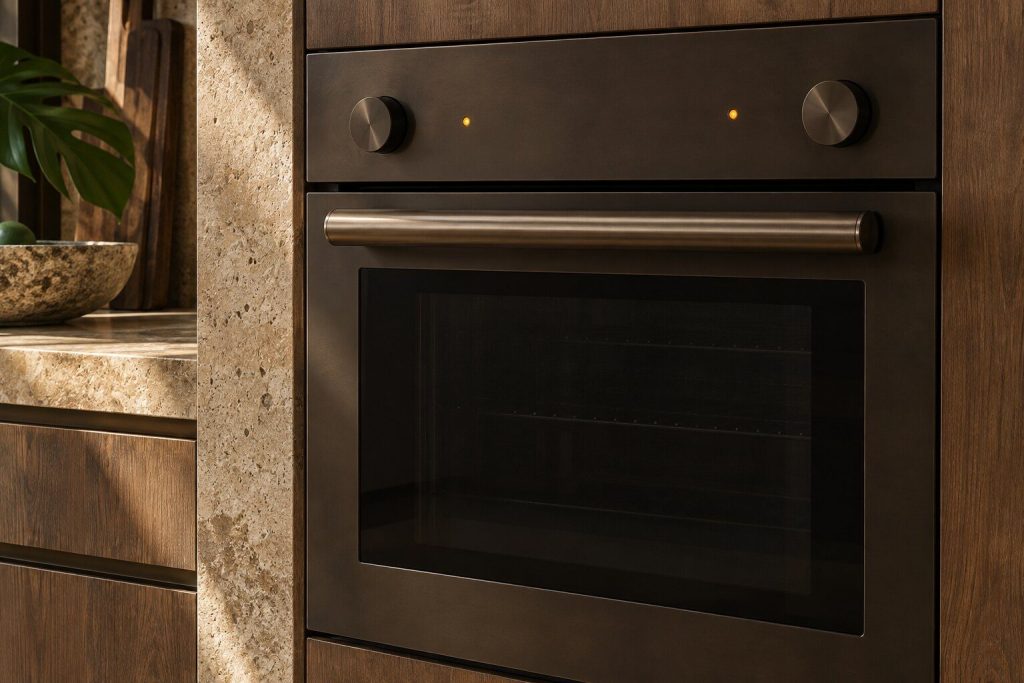
The letter narrows almost nothing. The two digits after it separate five components and one earlier repair — and one of them is not a failure at all.
Read more -
A DCS Oven That Will Not Turn On at All
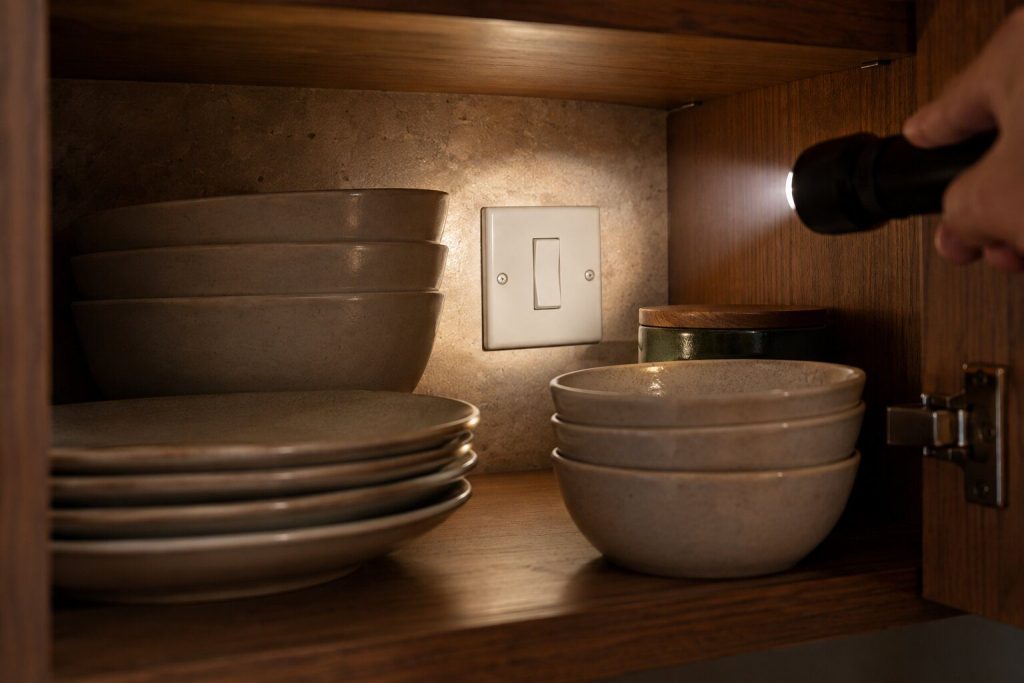
Nothing on the panel is a different problem from an oven that lights up and will not heat. Start further back than the oven — frequently further back than the kitchen.
Read more -
A DCS Oven Door That Has Locked Itself Shut
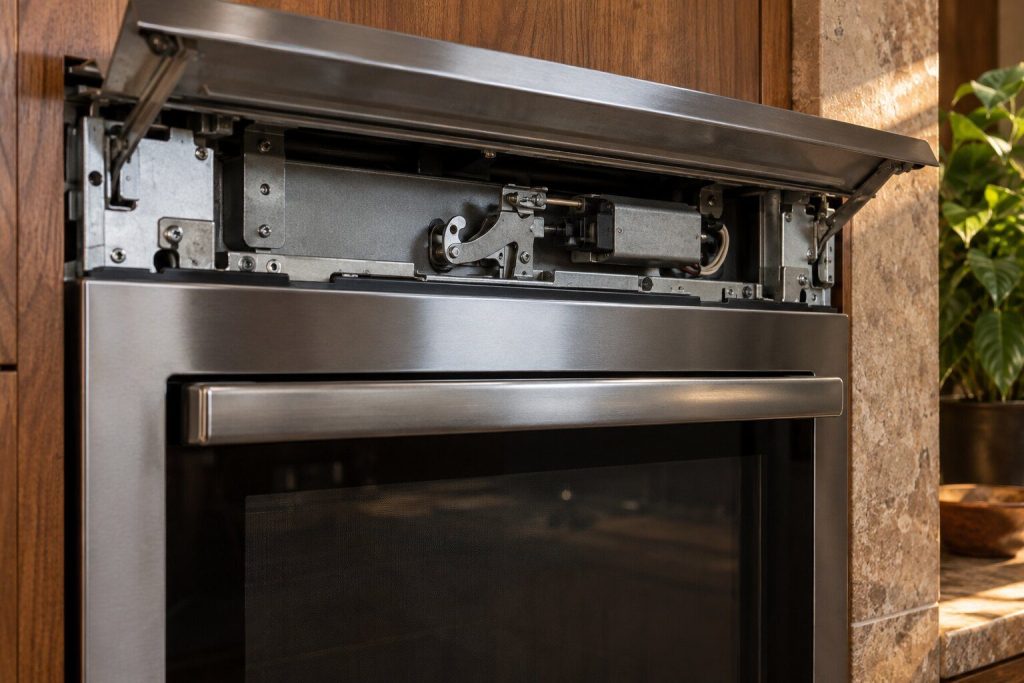
Three different situations wear this one symptom, and the wrong assumption costs either a latch motor or a door. One of them resolves itself if you leave it alone.
Read more
Tell us the model number and what it is doing.
This article is based on:
- Official manufacturer documentation
- Internal repair procedures
- Technician repair history
- Company quality standards